
Mudroom Cabinets: Storage Ideas for an Organized Entryway
What families in Northern Virginia actually need from the cabinets by the back door

Sam K. · Showroom Manager
· 5 min read

If you want a mudroom that stays organized, the cabinets have to match how your family actually comes through the door: closed storage for shoes and seasonal gear, a handful of hooks for the things grabbed daily, a bench only if there is room to sit, and a separate spot for each person. That last part does more than any finish choice. Most of the entryway chaos I see in Northern Virginia homes comes from everyone sharing one pile.
I talk to people about this almost every week in our showroom. The conversation usually starts with a photo they saved, all white doors and a tidy bench. Then I ask what lands by their door on a Tuesday in November, and the real design begins.
What should a mudroom cabinet actually store?
Start with a count, not a mood board. I ask clients to walk me through a normal weekday arrival. Backpacks, work bags, the dog leash, two or three pairs of everyday shoes per person, a stack of hats and gloves half the year, sports gear, the recycling that is on its way out. Then the weekend version: muddy cleats, a cooler, beach stuff, whatever the hobby is.
Once we have that list, the cabinet design mostly writes itself. The daily items want to be fast to reach. The weekly and seasonal items want to be behind doors so the room reads calm. A couple from Vienna, Virginia came in sure they needed a wall of open shelving. We counted their gear and realized two tall cabinets with doors held twice as much and hid the mess. They left planning for closed storage, which surprised them.
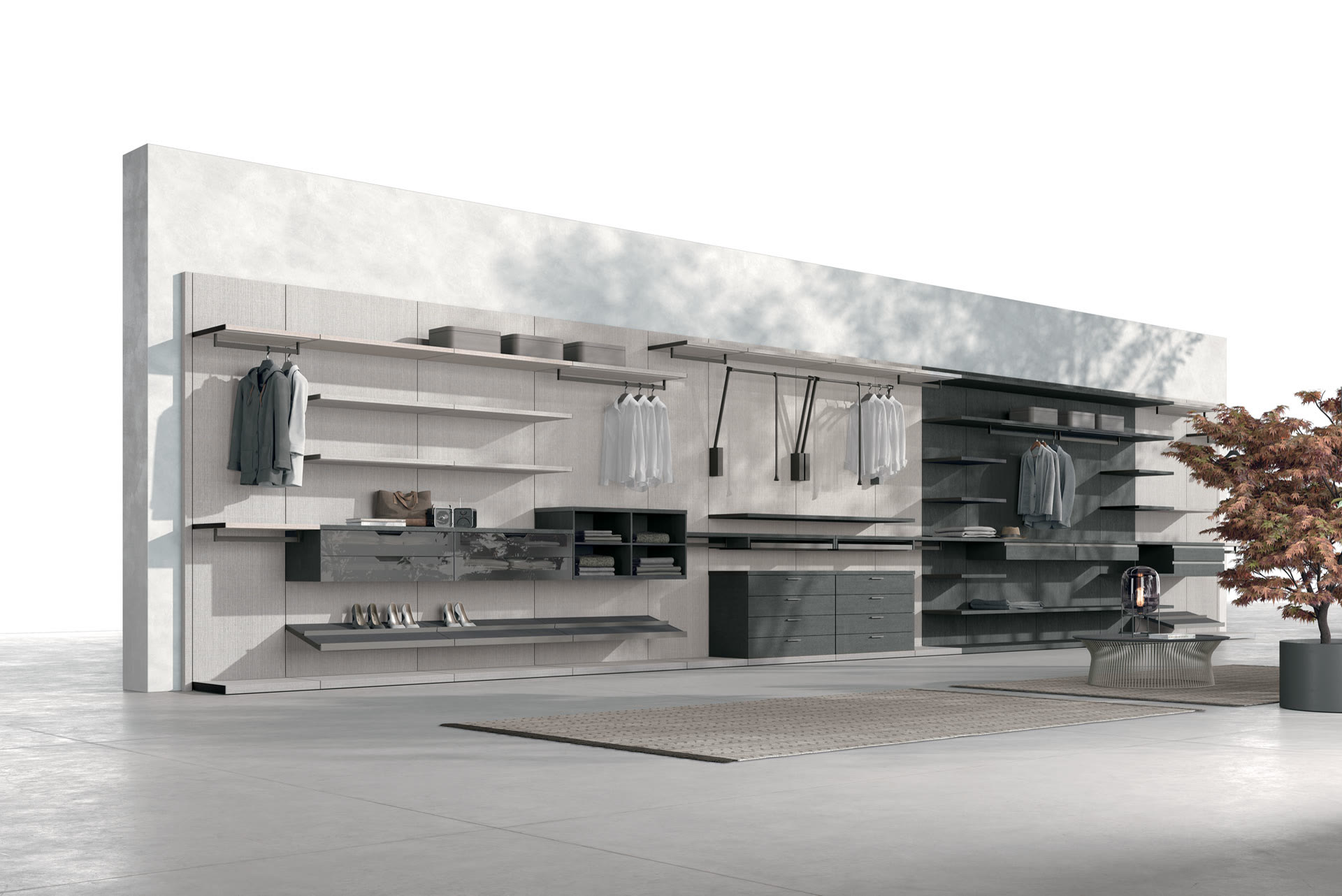
The trap is designing for the photo instead of the Tuesday. Open shelving looks light and airy until it is holding a dog harness, three single gloves, and a flashlight. Keep the open parts small and intentional, and let the doors do the heavy lifting.
How do you plan shoe storage that stays organized?
Shoes are the thing that breaks a mudroom. They multiply, they come home wet, and they never go back where they belong. So I plan for more pairs than people admit to owning, and I give them a floor they can hose off.
A few approaches work. Pull-out shoe drawers keep everything hidden and are easy for kids to use because they do not have to aim. Open lower cubbies right at floor level let people kick shoes off and shove them in, which is honestly how most families behave. Tilt-out shoe fronts save depth when the mudroom is narrow. I usually mix two of these: a bank of cubbies for daily shoes at the bottom, and closed drawers above for the overflow and the seasonal pairs.
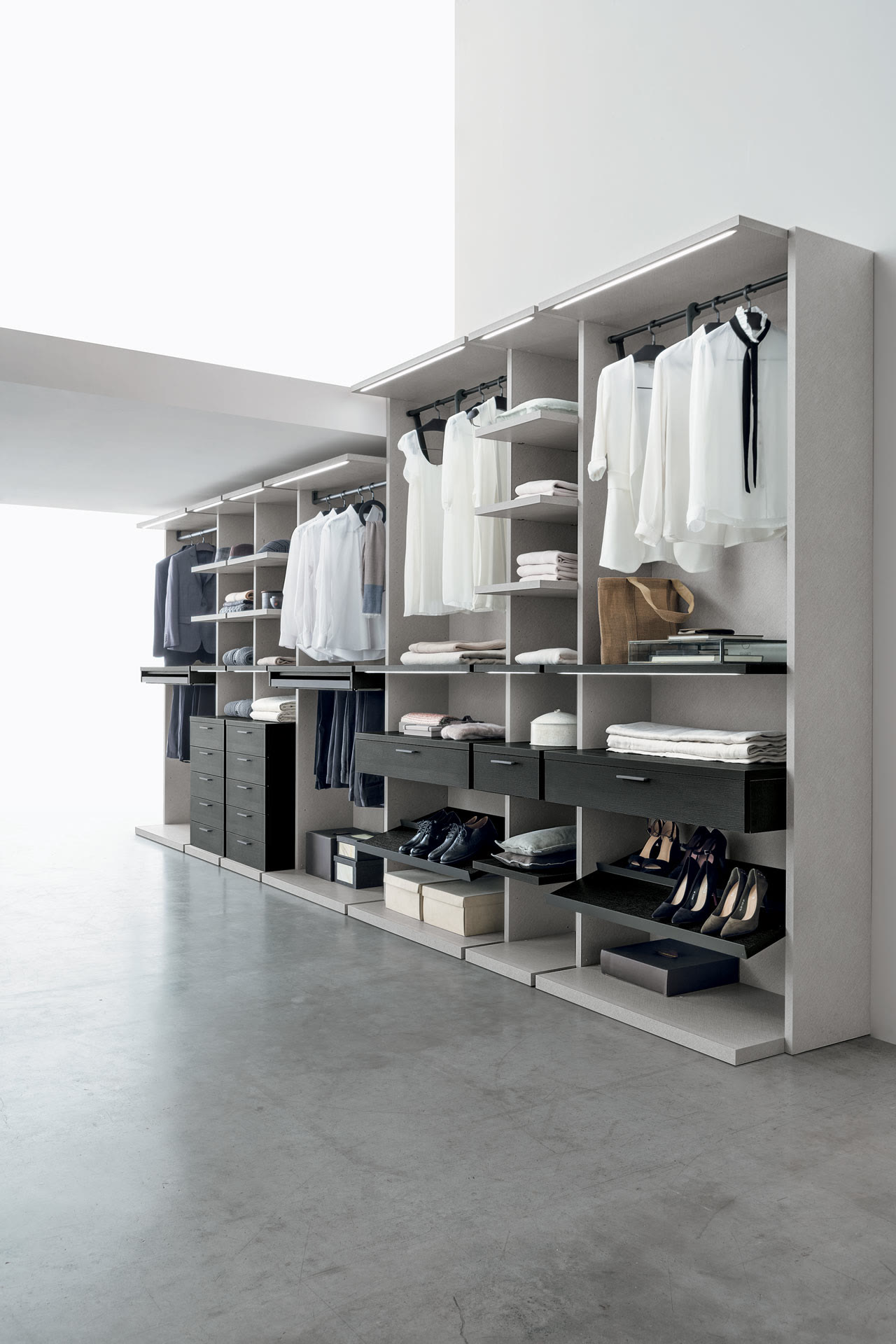
One detail people forget: tall boots. Rain boots and winter boots need a taller slot than a sneaker, so I leave at least one open vertical zone that a boot stands up in. And I always ask about the wet problem. In our climate you get salt and slush half the winter, so the shoe zone near the garage door benefits from a wipeable interior and a tray you can lift out and rinse.
Do you need a bench, and where do the hooks go?
A bench is lovely, but only if you have the floor for it. You need room to sit, bend over, and pull on a boot without your back hitting the opposite wall or a door. If the mudroom is a narrow pass-through, a bench just becomes a shelf people drop bags on, and now it is in the way. In those cases I would rather give the space to cabinets and add a bench elsewhere.
When there is room, I build the bench into the cabinet run so the seat is also a lid or has drawers under it. That turns one footprint into two jobs. Keep the seat around seventeen or eighteen inches off the floor so it is comfortable, and make the top something that handles a wet coat.
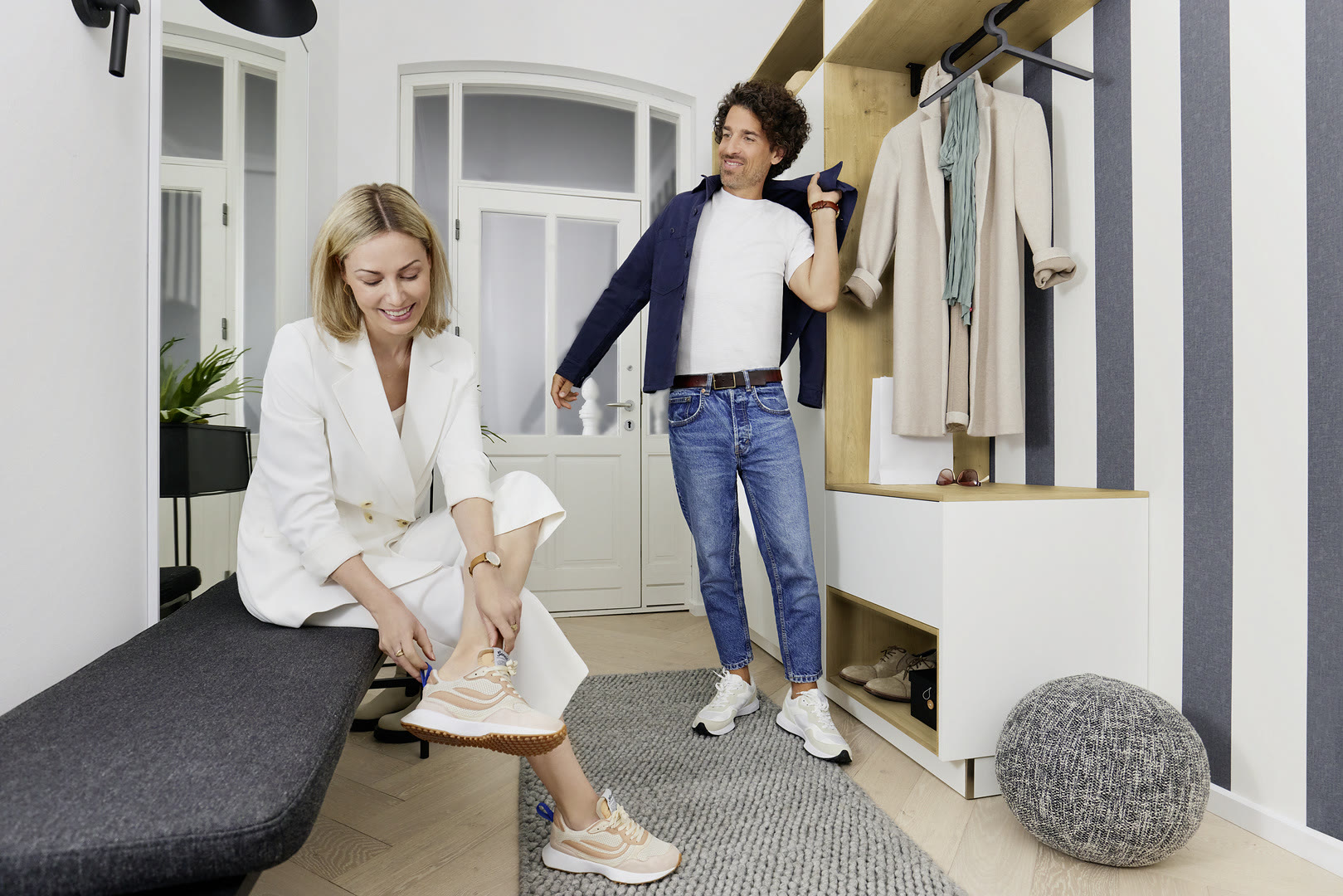
Hooks are where I tell people to resist over-building. You do not need a hook for every garment. You need a hook for the coat each person wears today and the bag they carry today. Everything else goes behind a door. Mount the hooks at two heights if you have kids, a lower row they can actually reach, and a higher row for adult coats. A row of hooks a child cannot use is just decoration.
How do you zone a mudroom for a whole family?
This is the part that matters most, and it is the cheapest to get right. Give each person their own vertical column: a hook or two, a shelf, a shoe cubby, maybe a drawer. When a child knows that one slot is theirs, things land there. When everyone shares, nothing lands anywhere.
For a family of four I usually plan four narrow columns side by side. Each one can be only twelve or fourteen inches wide and still work, because a kid does not need much. The parents' columns get a little more, since adult coats are bulkier. We did this for a family in Fairfax who had tried every basket and bin and still fought about shoes every morning. One column each, labeled while the kids were young, and the morning argument mostly stopped. Nothing fancy about the cabinets. The zoning did the work.
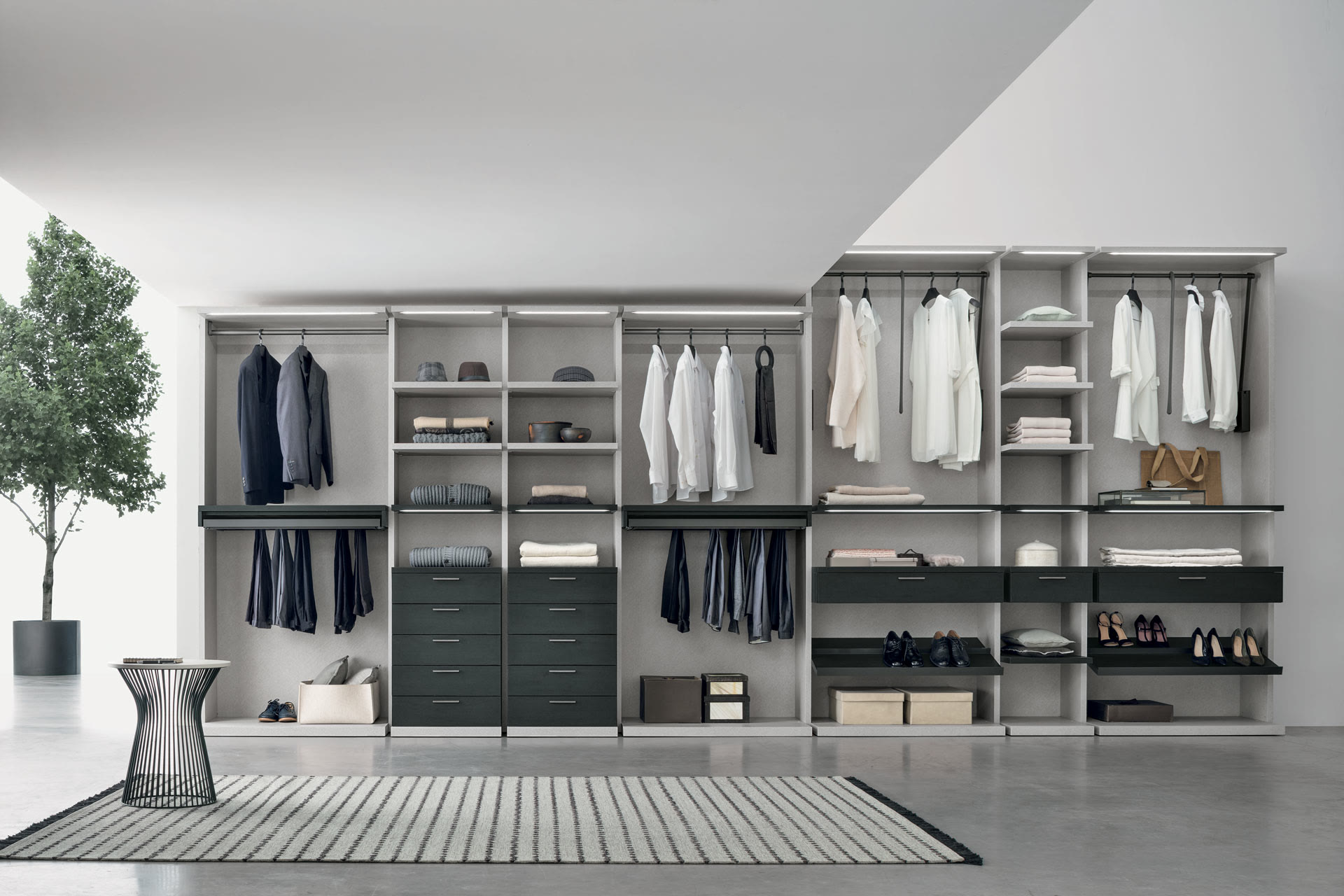
One more thing on zoning: leave a shared strip for the things that belong to the house, not a person. Keys, the dog's leash, sunscreen, the outgoing mail. Give those a small home too, or they end up in someone's personal column and the whole system drifts.
A mudroom is close cousin to a few other projects we do. The cabinet systems overlap with what we build for a walk-in closet, and the wet-and-wipeable thinking overlaps with a laundry room. Keeping them as separate zones, even in one open space, is usually the right call, because the gear is different and the traffic is different.
If you are planning an entryway and want help counting your real gear before you pick doors, that is exactly the conversation we have in our mudroom design-build work. Come in with your Tuesday, not your mood board, and we will build the cabinets around it.
Frequently Asked Questions
How much space does a real mudroom need?
Should mudroom cabinets be open or closed?
Can I use kitchen or closet cabinets in a mudroom?
What is the most common mudroom mistake?
Keep Reading

Laundry Room Cabinets: Storage, Layout and Design Ideas
A practical guide to laundry room cabinets: layout, storage, folding space and moisture, from a Northern Virginia design-build studio.

Modern Minimalist Closet
Introduction: Why a Modern Minimalist Closet Matters A Modern Minimalist Closet is more than just a space to hang clothes. It’s a reflection of lifestyle, mindset, and design…

Perfect Closet Style: Ultimate Guide for Your Home
Perfect closet style sets the tone for both functionality and aesthetic appeal in any home. Whether you have a compact reach-in space or a spacious walk-in, choosing the right layout…
Ready to talk through your remodel?
Visit our showroom or request an estimate. We will walk you from first ideas to final installation.