
Dekton vs Quartz: Which Countertop Fits Your Kitchen?
A plain comparison of two surfaces we install every week, from a designer who fields the question daily

Sam K. · Showroom Manager
· 5 min read

Here is the short version I give people at the showroom counter. Dekton is a sintered ultracompact surface: mineral particles pressed and fired at very high heat into a single dense slab. Quartz is engineered stone: crushed natural quartz bound together with resin. That one difference in how they are made explains almost every trade-off that follows. Dekton wins on heat and UV and can go outside. Quartz is easier to fabricate and repair and gives you the warmer, marble-like looks a lot of people are really after. For most kitchens in Northern Virginia, either one will outlast the cabinets, so the real decision is about how you cook and which slab you actually love.
What is the real difference between Dekton and quartz?
People hear both called quartz and assume they are the same thing. They are not. Quartz countertops, including the Cambria and Silestone lines we carry, are roughly nine parts ground natural stone to one part resin and pigment. The resin is what makes the surface non-porous and easy to work, and it is also the part that does not love heat or years of hard sun.
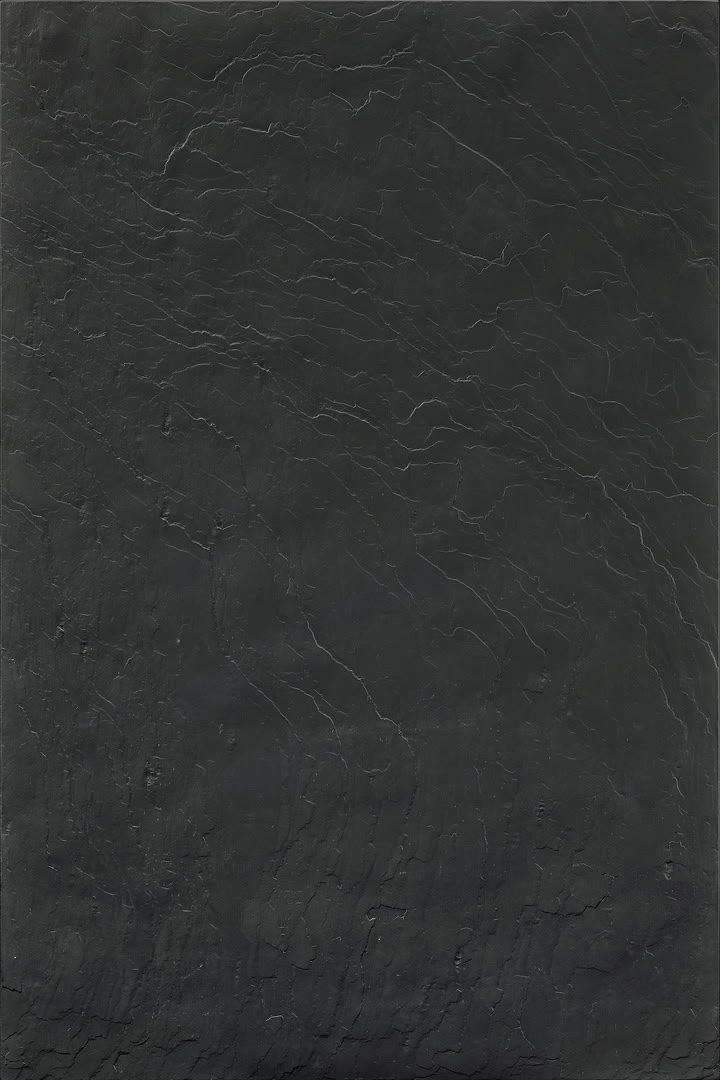
Dekton has no resin. It is a blend of raw materials from glass, porcelain, and quartz surfaces, compacted and then sintered, which is a fancy word for fused with heat and pressure. The result is closer to a man-made stone than to an engineered one. It is denser, it is more heat and UV stable, and it is one of the hardest surfaces we install. That hardness is the source of both its strengths and its quirks.
How do they look, and does the look hold up?
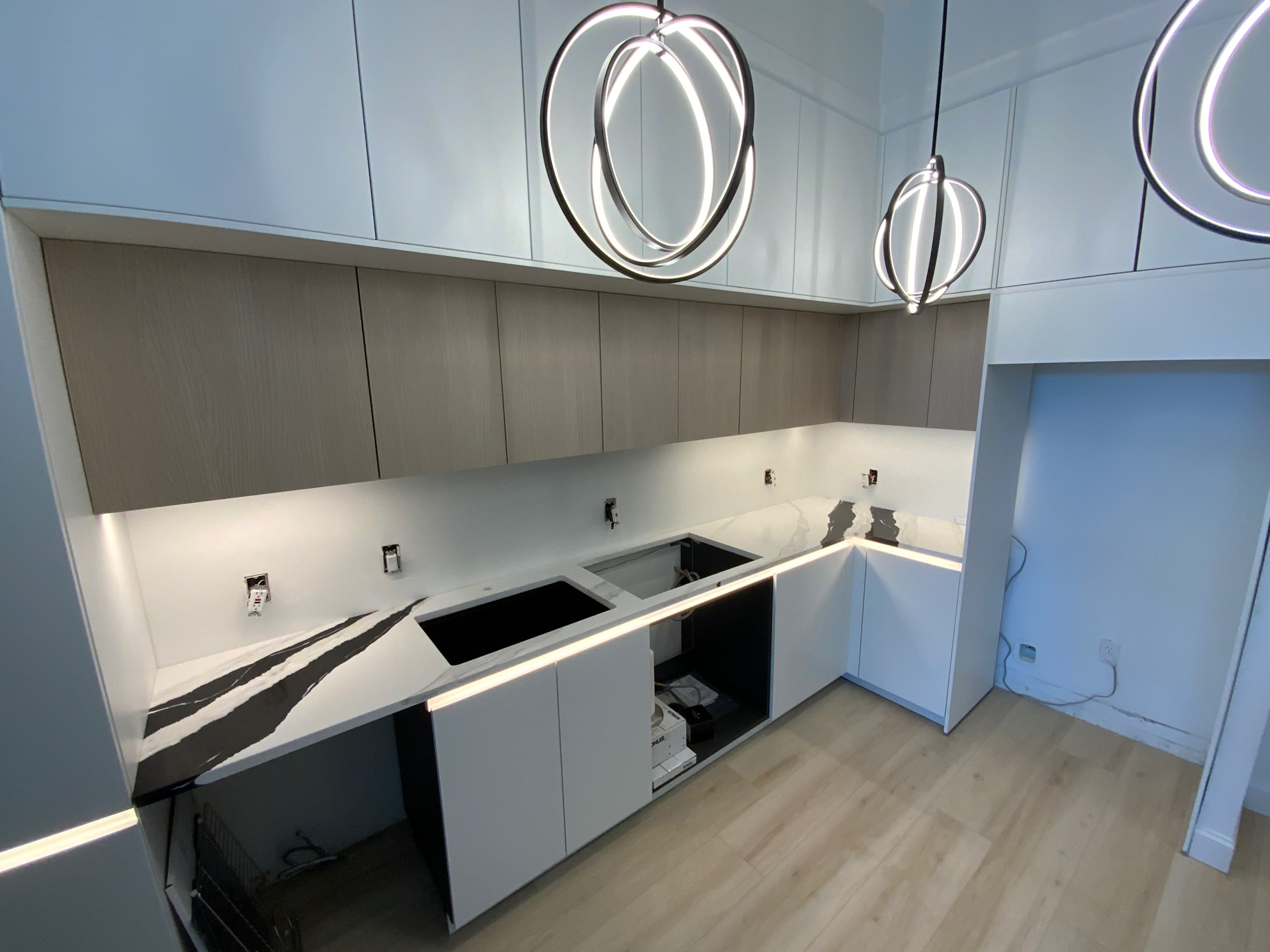
This is where quartz still has an edge for a lot of my clients. The marble-look quartz slabs have gotten very good: soft veining, warm whites, movement that reads natural across a big island. If someone wants the calm of Calacatta without the maintenance of real marble, quartz is usually the honest answer.
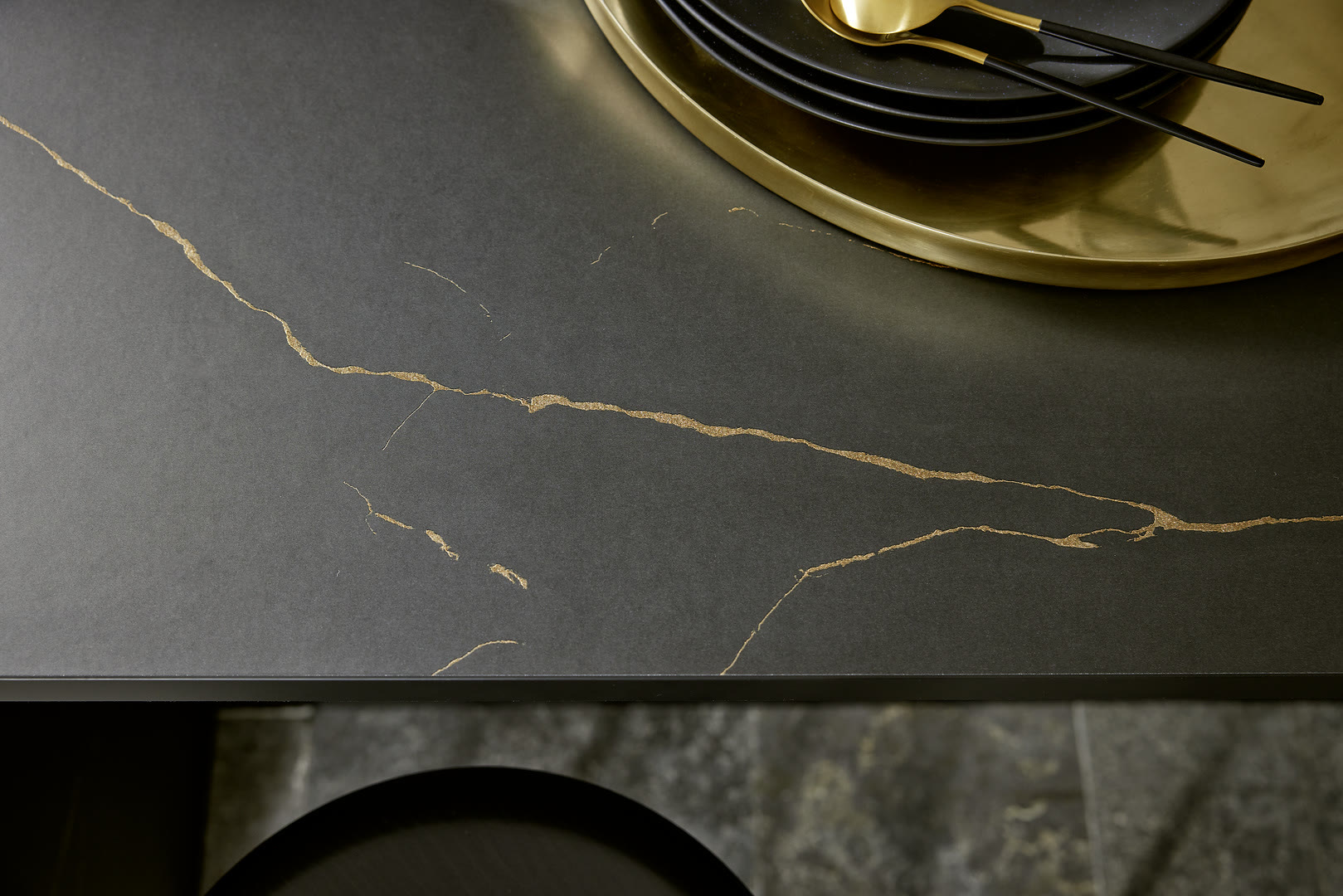
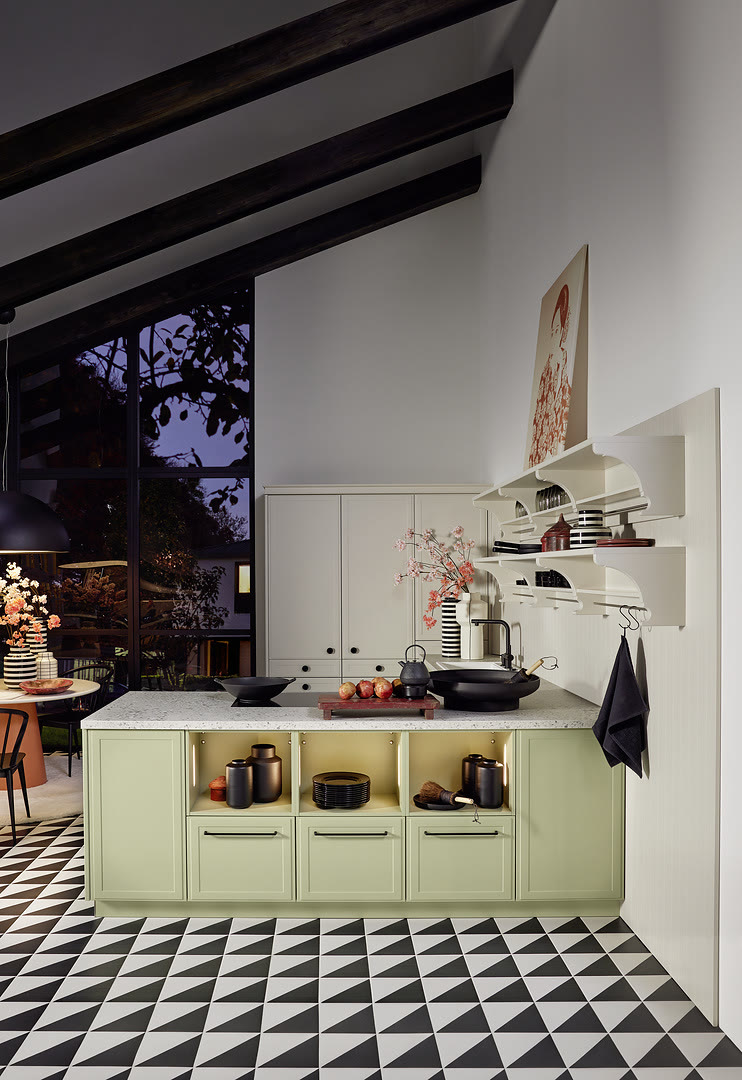
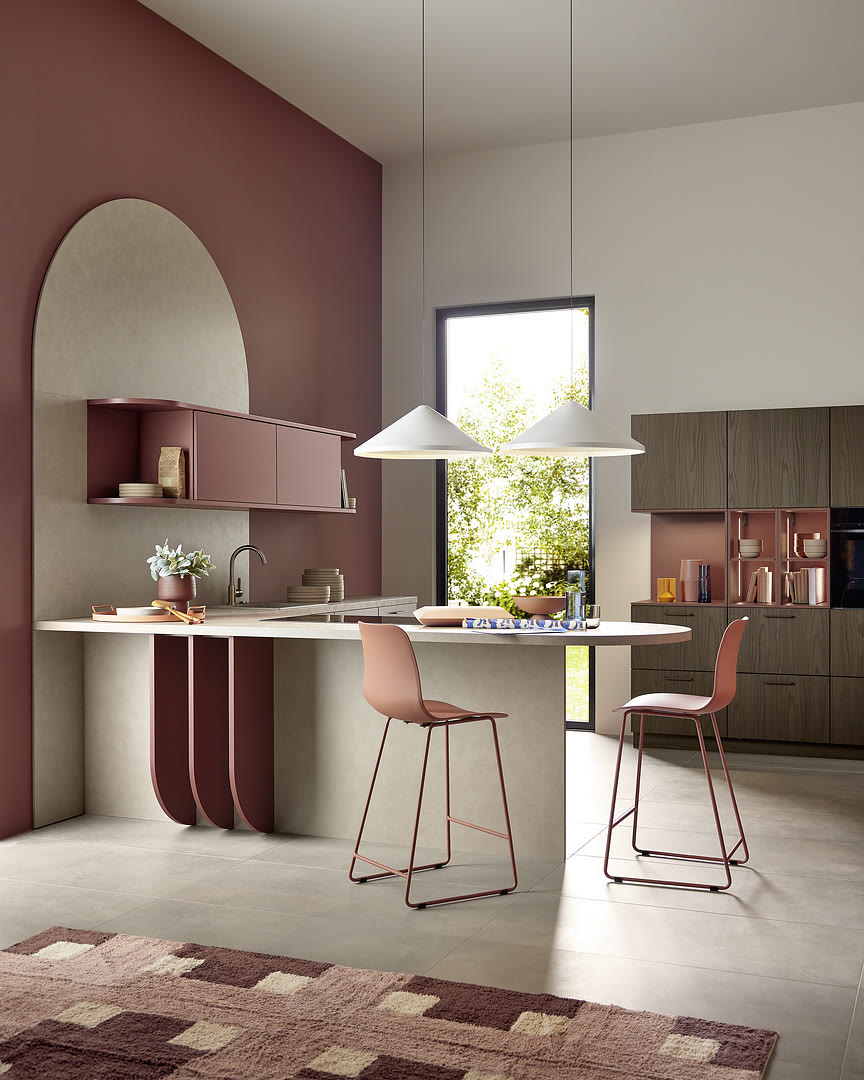
Dekton comes in beautiful matte and concrete-look tones, plus some convincing stone patterns, and it earns its keep in a modern kitchen with handleless cabinetry and a big waterfall edge. What I tell people is this: the veining in quartz often has more depth because the pattern runs through the resin body, while Dekton patterns are excellent but can read a touch flatter up close. Neither is better. They are different, and the only way to judge is to stand over a full slab. A finished kitchen is a large canvas, and a two-inch chip will lie to you about scale.
Which one handles heat and stains better?
Heat is the clearest split between them. Dekton shrugs off a hot pan straight off the cooktop in a way resin-based quartz does not. I have watched people put a scorching skillet down on Dekton in the showroom without a mark. Quartz is not fragile, but sustained heat can discolor or, in a bad case, cause the resin to lift or scorch near a cooktop or a pot that sits too long. So on both surfaces I still preach trivets, mostly because thermal shock, a very hot pan onto a cold slab, can crack any stone, and a good habit protects the seams too.
On stains, both do well because both are essentially non-porous. Wine, coffee, oil, lemon: wipe them up in a reasonable time and neither surface cares. UV is the other quiet factor. Dekton is UV stable and holds its color even outdoors, which is why it shows up on outdoor kitchens and sunny sunrooms. Quartz should stay indoors and away from a window that bakes it every afternoon, because years of direct sun can shift the color.
What changes at fabrication and installation?
This part rarely comes up in a showroom conversation, but it matters, so I bring it up. Dekton's hardness means it is tougher to cut and it demands an experienced fabricator with the right tooling. Undermount sink cutouts, tight inside corners, and thin waterfall miters all take more care. When it is done well, the result is superb. When it is rushed, that hardness turns into chipping at a cutout. We work with fabricators who know the material, and I would tell any homeowner to ask that same question of whoever they hire.
Quartz is more forgiving to fabricate and, honestly, easier to live with if a small chip ever happens, because a good installer can fill and blend it. A true crack in Dekton usually means replacing a section rather than patching. None of this should scare you off Dekton. It just means the surface rewards good craft and punishes shortcuts more than quartz does. If you want to see how we plan cuts and seams before anything gets ordered, that thinking runs through our whole kitchen design-build process.
How do I choose for a Northern Virginia kitchen?
Start with how you cook and where the light falls. If you are a hard cook who slides pans straight off the burner, or you want the counter to continue onto a covered patio, Dekton earns the nod. If you want a soft marble look on a big island in an open plan, and the kitchen lives indoors, quartz like Cambria or Silestone is usually the easier love. Both will handle a busy family kitchen for decades.
Then look at real slabs, not samples. I send clients to view full slabs so they can see the veining at scale and pick the actual piece that becomes their island. Budget matters, but installed cost overlaps more than the names suggest, and it swings on color, slab yardage, and edge and cutout work far more than on the material itself. If you are still weighing the whole material picture for your project, our guide to what custom cabinetry costs pairs well with this, since counters and cabinets get budgeted together. And if you would rather touch the surfaces in person, come by the showroom and we will put both in your hands.
Details in these stories are drawn from real projects with identifying specifics changed. The takeaway is the same one I give at the counter: there is no wrong answer between Dekton and quartz, only the answer that fits how you actually use your kitchen.
Frequently Asked Questions
Is Dekton really heatproof?
Will a quartz countertop stain?
Which one is more expensive?
Can a chip or crack be repaired?
Keep Reading

Porcelain Countertops: Pros, Cons and What to Check
What porcelain countertops are good at, where they fall short, and the fabrication questions I tell clients to ask before they sign off.

Fully Custom Kitchen Design-Build in the DMV Area
What a fully custom kitchen design-build actually involves in the DMV area, and when the extra planning is worth it for your home.

2026 Kitchen Remodeling Guide for Historic Alexandria Homes
A plain-spoken guide to remodeling a kitchen in a historic Alexandria home in 2026: footprints, cabinets, timelines, and the surprises behind old walls.
Ready to talk through your remodel?
Visit our showroom or request an estimate. We will walk you from first ideas to final installation.