
Porcelain Countertops: Pros, Cons and What to Check
A showroom honest look at porcelain kitchen countertops for Northern Virginia homes

Sam K. · Showroom Manager
· 5 min read

Porcelain countertops are a thin, dense fired slab that handles heat, sunlight and stains very well and never needs sealing. The honest catch is that they are thin, so edges and the support underneath matter more than the pattern you fall for in the showroom. If you cook hard and want a surface you can mostly ignore, porcelain is worth a serious look. If you want something cheap to fabricate and easy to repair, it may not be your material.
I have this conversation a few times a month at our Alexandria showroom, usually with someone who saw a photo of a big marble looking slab and wants to know what it actually is. Most of the time what they are describing is porcelain, often the XTONE line from Porcelanosa. Here is what I tell them before they get attached to a color.
What exactly is a porcelain countertop?
Porcelain is clay based minerals pressed and fired at very high heat into a hard, glassy slab. The pattern you see, the veining or the stone look, is printed onto the surface and fired in, which is why a good porcelain slab can look like marble or concrete without any of the upkeep. The body is fully vitrified, meaning it does not absorb liquid, so there is nothing to seal and very little a spill can do to it.
The thing to hold onto is that porcelain is its own material. It is not quartz and it is not natural stone. I keep it in a separate box on purpose. If you are weighing it against engineered stone, our Dekton vs quartz comparison walks through how those two behave, and porcelain sits in its own lane next to them.
What do porcelain countertops look like in a real kitchen?
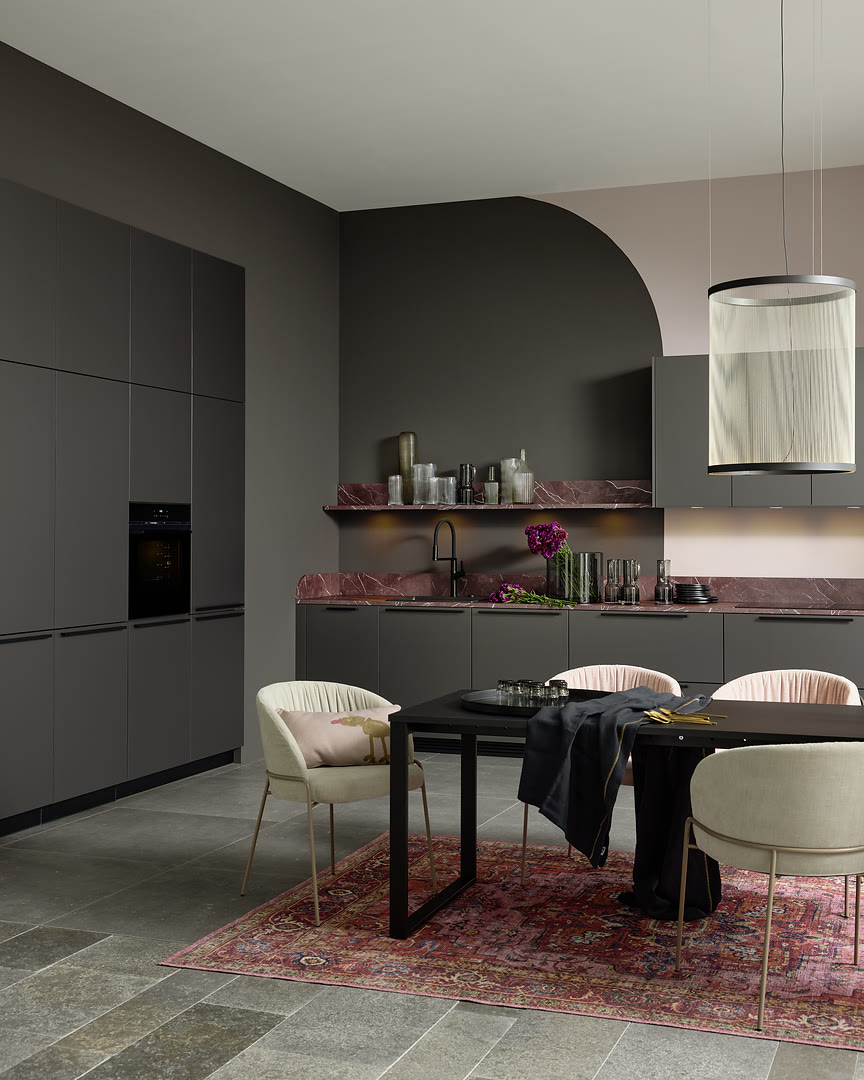
This is where people relax. Porcelain comes in big formats, so you can run long stretches with fewer seams, and the printed patterns have gotten convincing. I have clients who wanted a dramatic marble look over an island but did not want to babysit real marble. Porcelain gets them the look without the worry about a lemon slice etching the surface overnight.
One detail I point out: because the pattern is printed on the surface, you want to see the actual slab you are buying, not just a sample chip. Veining does not always carry through the body the way it does in natural stone, so where the fabricator cuts matters for how the pattern reads. We lay this out during design so the showpiece runs land where you will actually see them.
How hard are porcelain countertops to live with?
Easy, for most people. You clean it with soap and water. It does not stain from red wine, coffee or olive oil the way porous stone can, and you can set a hot pan down without a trivet, though I still tell clients not to make a habit of thermal shock on any surface. In a kitchen with a lot of south facing glass, which we see all over Northern Virginia, porcelain does not fade, so a sunny island will look the same in ten years.
The honest trade-off is repair. If you do manage to chip an edge, porcelain is not something you buff out like quartz. A chip usually means a visible repair or, in a bad case, replacing a piece. That is rare in normal use, but it is the reason I push hard on edge details and support, which I will get to.
What should you decide about edges and thickness?
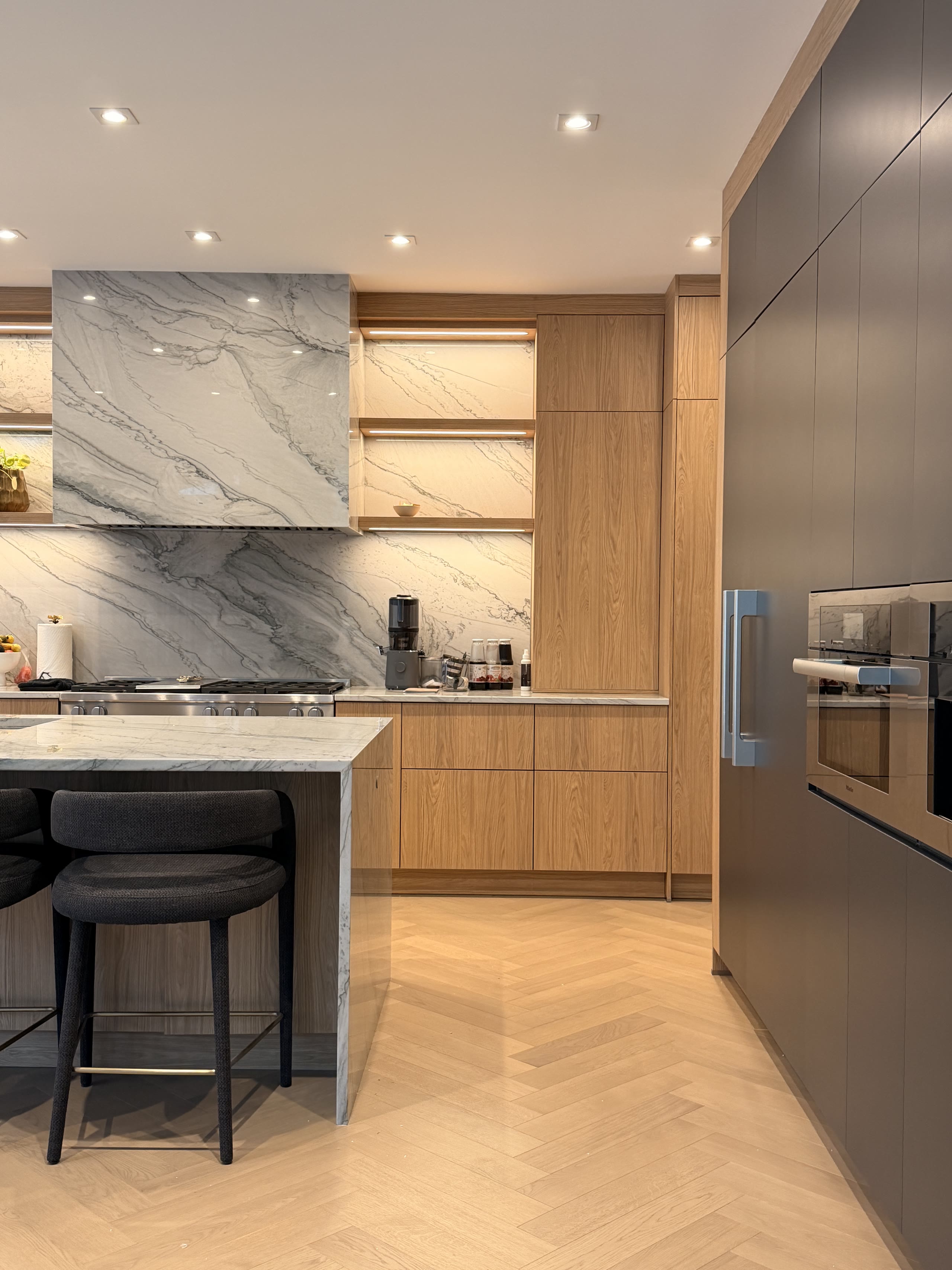
Porcelain slabs are thin, often around a half inch, sometimes a bit more. That is great for a sleek look but it changes how edges work. To get the look of a chunky countertop, fabricators miter two pieces together at the corner so the edge reads as a thicker slab. A good miter is nearly invisible. A rushed one shows a seam line and becomes the most vulnerable spot on the whole counter.
So the decisions are: how thick do you want the edge to read, and are you doing a waterfall down the side of the island. Both of those are miter work. They look fantastic when done well and they are the first thing to go wrong when they are not. Overhangs are the other piece. A long seating overhang in a thin slab needs support underneath, and that gets planned into the cabinet run, not bolted on at the end. We work this out as part of the kitchen design and build so the cabinetry carries the countertop properly.
What should you check before you sign off?
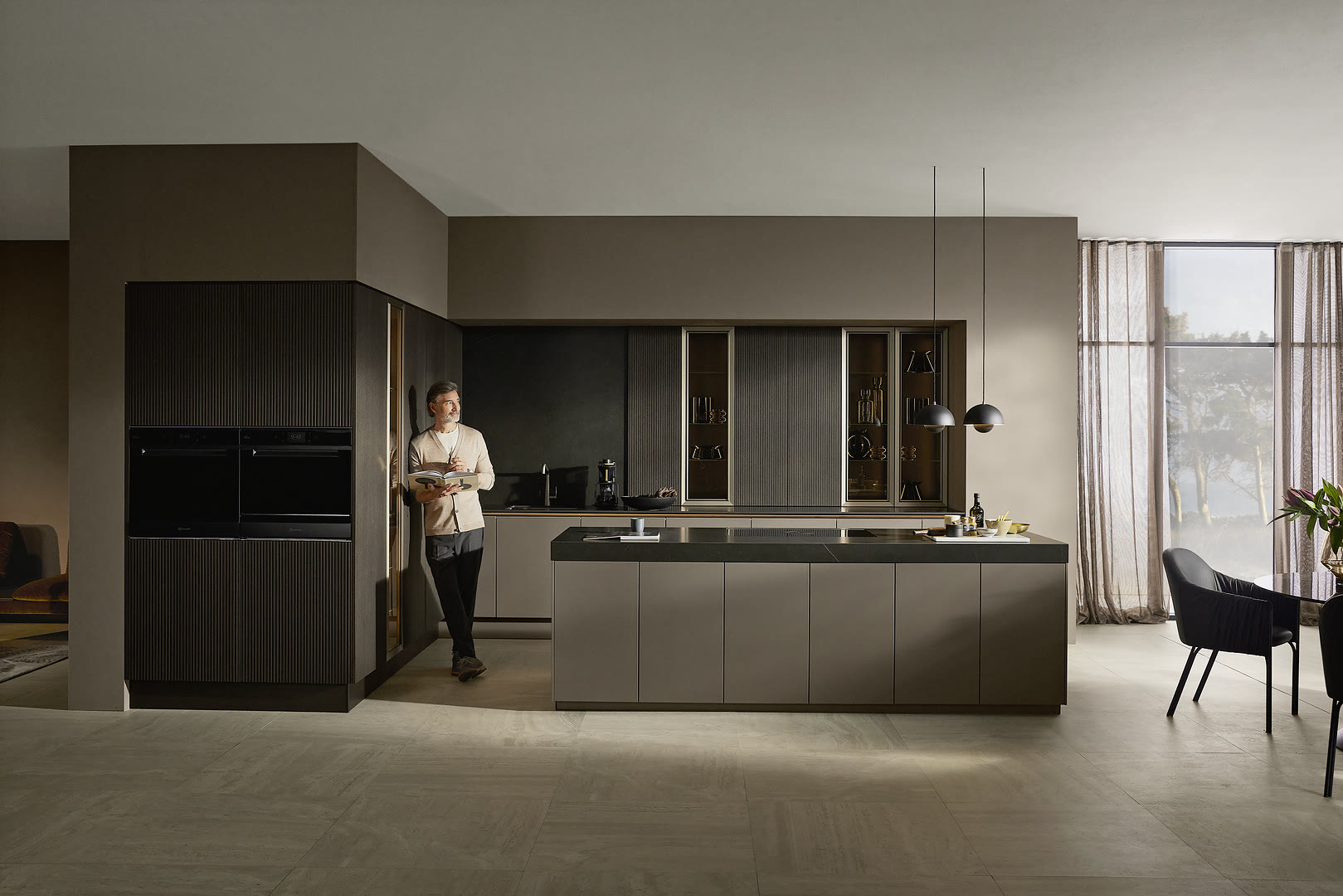
The brand on the slab matters less than who is cutting it. Porcelain is harder to fabricate than quartz, and not every shop does it well. Before you commit, I would ask three plain questions. Who is fabricating the slab, and have they done porcelain miters before. How will they handle the sink and cooktop cutouts, since those openings are the places thin slabs crack if they are stressed wrong. And can you see the exact slab before it is cut, so there are no pattern surprises.
I also tell clients to be honest about budget. Porcelain itself is not the cheapest surface, and the fabrication labor runs higher than quartz because of the care it takes. I am not quoting a number here because it swings with your layout, your edge choices and how many cutouts you have. What I will say is that a cheap porcelain job is a false economy. The material is only as good as the hands that cut it.
If you are early in planning and still sorting out the whole kitchen, not just the counter, our kitchen remodeling planning guide is a good place to get your bearings before you pick a surface. The counter is a decision that should come after the layout, not before it.
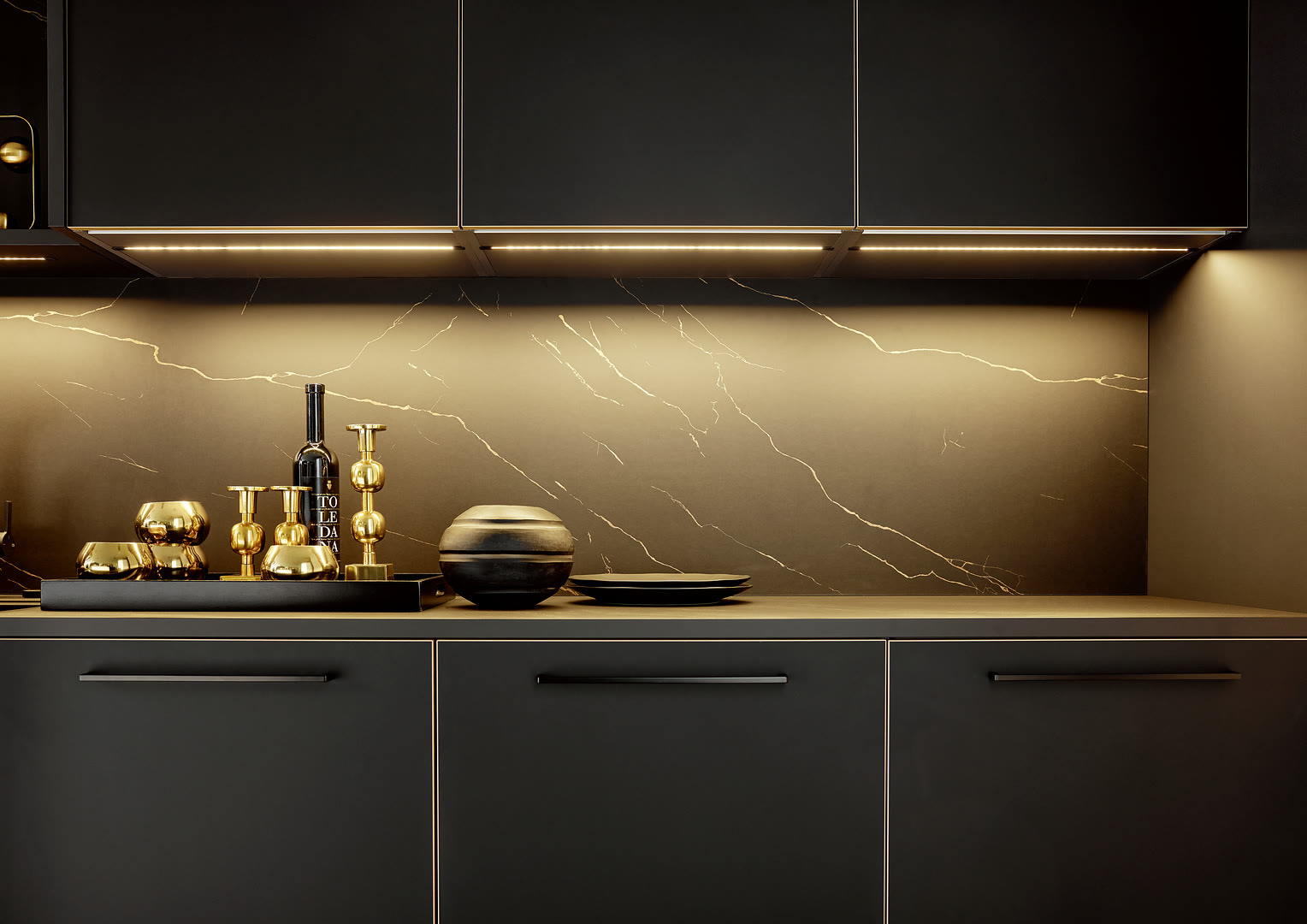
Porcelain is a strong choice when you want a low maintenance, heat and UV tolerant surface with a big slab look, and you are working with people who know how to cut it. It is a weaker choice if you need an easy repair or the lowest possible fabrication bill. If you want to put your hands on a few slabs and talk through edges for your own kitchen, come see us in Alexandria and we will walk you through it.
Frequently Asked Questions
Are porcelain countertops good for a busy kitchen?
Can porcelain countertops chip or crack?
How is porcelain different from quartz?
Do porcelain countertops need sealing?
Keep Reading

Dekton vs Quartz: Which Countertop Fits Your Kitchen?
Dekton and quartz answer different problems. Here is how they compare on heat, stains, looks, and fabrication for a Northern Virginia kitchen.

Best Kitchen Cabinet Materials for Northern Virginia 2026
A plain-spoken guide to picking kitchen cabinet materials that survive Northern Virginia humidity, from the box construction to the door front.

Kitchen Remodeling Planning: How to Prepare Well
How to plan a kitchen renovation in the order you actually live it: use, budget, scope, references, sequence, and who to hire.
Ready to talk through your remodel?
Visit our showroom or request an estimate. We will walk you from first ideas to final installation.