
Antique, Classic and Italian Classic Bathroom Vanities in 2026
What each label actually describes, and how to read past the words on a spec sheet

Sam K. · Showroom Manager
· 6 min read

People walk into the showroom and ask for an antique, a classic, or an Italian classic vanity as if those words came with a fixed spec. They do not. All three describe a styling language: the shape of the door, the ornament, the finish, the hardware. None of them tells you how the box is built or how long it will last. So the first thing I do is separate the two questions. What look do you want, and how well is it made. This article is about the first one, because in 2026 those three terms get used loosely, and knowing what each really points to saves you from buying a word instead of a vanity.
What do antique, classic, and Italian classic actually mean?
Think of them as three points on the same line. Antique is the most decorated end: aged or distressed finishes, turned legs, carved edges, hardware that looks like it has a history. Classic is the calm middle: paneled doors, symmetry, traditional proportions, but without the theatrics. Italian classic is the point closest to modern: it keeps a memory of tradition, maybe a framed door or a soft molding, then simplifies the proportions and reaches for a lacquered or matte surface.
The reason the words blur is that manufacturers and designers all draw the lines in slightly different places. A vanity one brand calls classic, another calls transitional. So I stopped arguing about the label and started asking clients to point at pictures. Once you see the detailing, the name matters less. If you want the longer view on picking a vanity before you get to style, our bathroom vanity buying guide for Northern Virginia homes walks through the decisions in order.
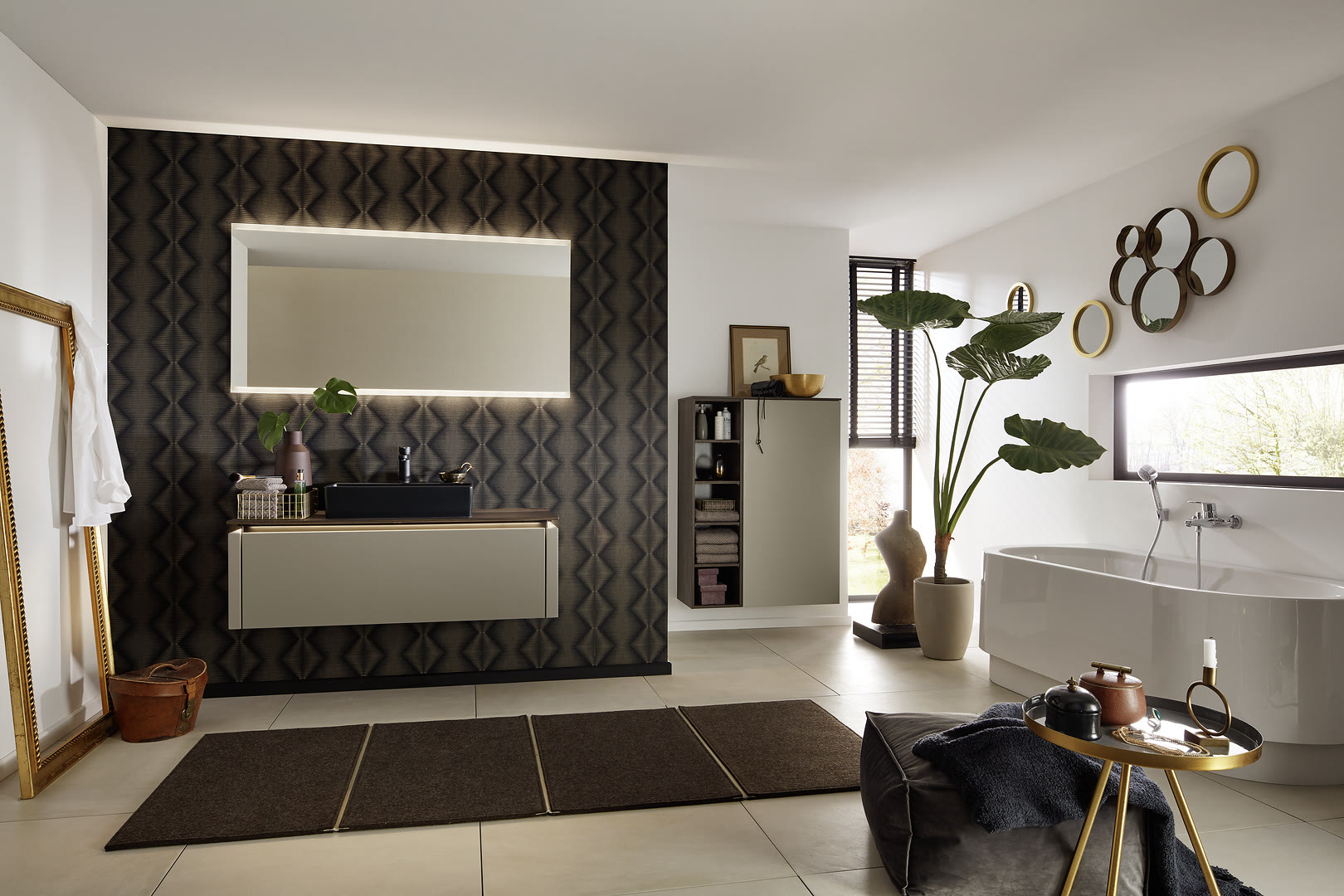
What is an antique-style vanity, really?
Antique is the term that fools people most, because it sounds like it means old. Almost always it does not. What clients are describing when they say antique is a set of finishing moves: paint that has been rubbed back at the edges, a glaze that settles into the carving, feet that lift the cabinet off the floor, and hardware in aged brass or oil-rubbed bronze. The cabinet underneath can be brand new and built to modern standards.
There is a real trade-off here that I say out loud. Antique detailing is labor. Carving, applied molding, and hand-finished paint all add hours, and hours are where the cost lives. It is also the style that dates fastest when it is overdone, because a heavily themed room ties you to a moment. My honest advice to clients who love the antique look is to buy the restraint version: the warmth of an aged wood, the softness of a turned detail, without turning the whole bathroom into a period set. A warm wood front carries most of that feeling on its own. If wood tone is where you are headed, the piece on light oak versus dark oak in a modern bathroom is worth reading before you commit.
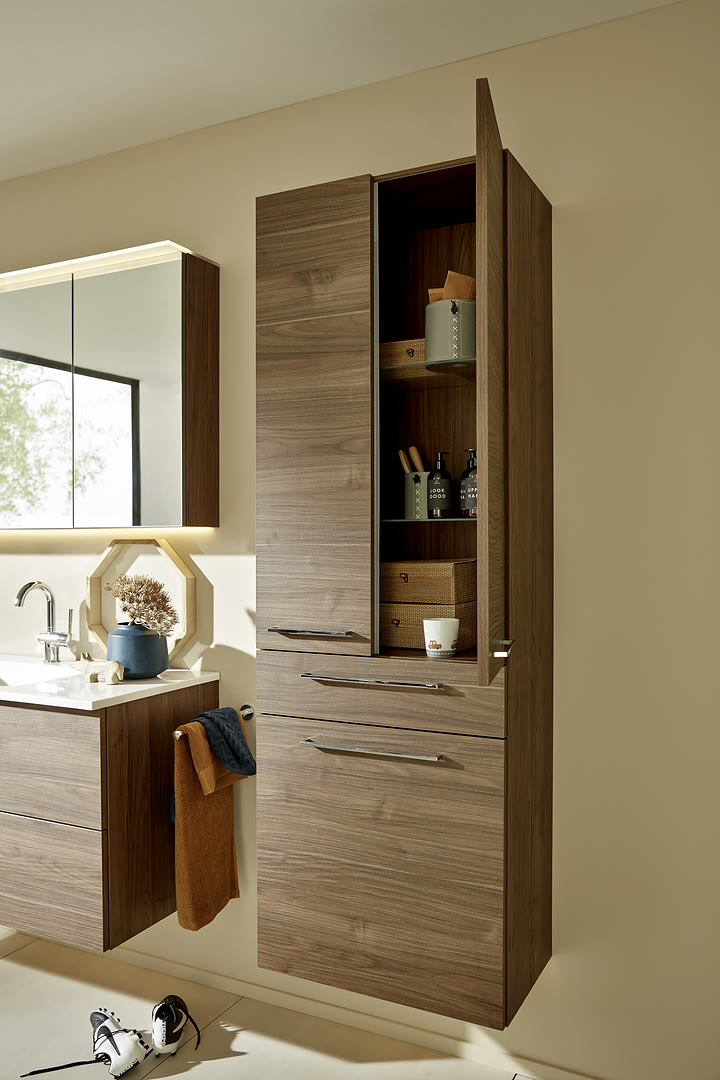
What makes a classic vanity classic?
Classic is the safest of the three, and I mean that as a compliment. A classic vanity is built on symmetry and quiet proportion. Paneled doors, a top with a modest edge, hardware that does its job without announcing itself. It does not lean on ornament to be attractive. It leans on getting the proportions right, which is harder than it sounds and holds up far longer.
The clients who reach for classic are usually the ones who do not want to think about their bathroom again for a long time. That instinct is correct. A classic vanity ages well precisely because it never tried to be of a particular year. It also plays well with almost anything else in the room. Pair it with a stone top and a plain faucet and it reads timeless. Pair it with large modern tile and it reads intentional, not confused. The finish question, matte or gloss, changes the mood more than the door shape does, and we cover that in high-gloss versus matte white vanities. For a classic look, matte usually wins, because gloss pulls a piece toward modern whether you want it to or not.
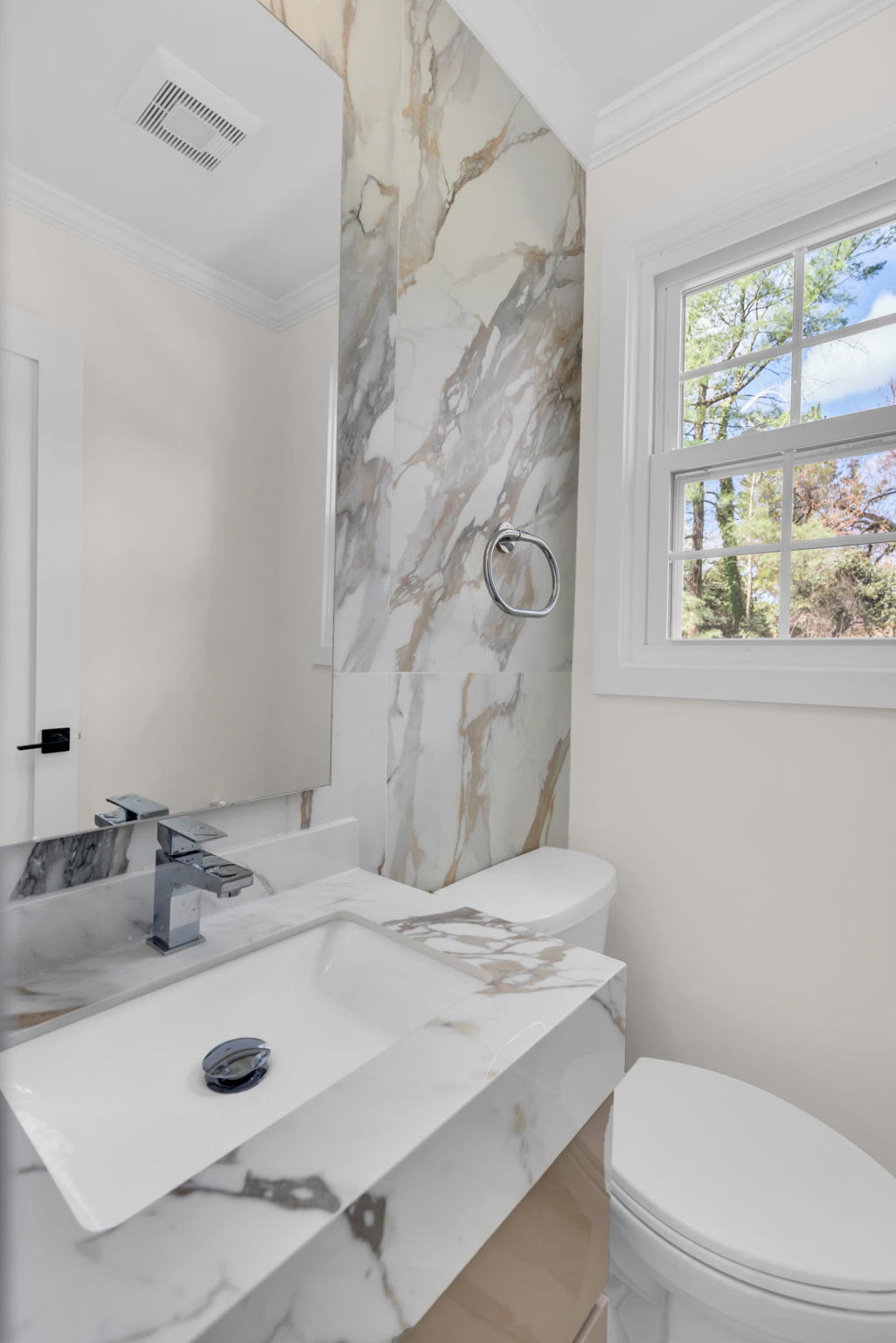
What is different about Italian classic?
Italian classic is the term I have to explain the most, because it sits in the gap between traditional and modern and people are not sure what to picture. Here is how I describe it. It keeps one or two traditional cues, a framed door, a soft shadow line, a gentle molding, and then it cleans everything else up. The proportions get slimmer. The finish gets more refined, often a deep matte lacquer or a subtle wood grain. The result feels dressed but not fussy.
It is a good answer for a home that is neither strictly traditional nor fully modern, which is most of the homes we work in around here. A colonial in Alexandria or a newer build in McLean can both take an Italian classic vanity without a fight, because it does not demand that the rest of the house commit to one era. The risk is that Italian classic can drift into generic if the detailing is weak. The framed door and the finish are what carry it, so those are the two things to inspect closely and not settle on.
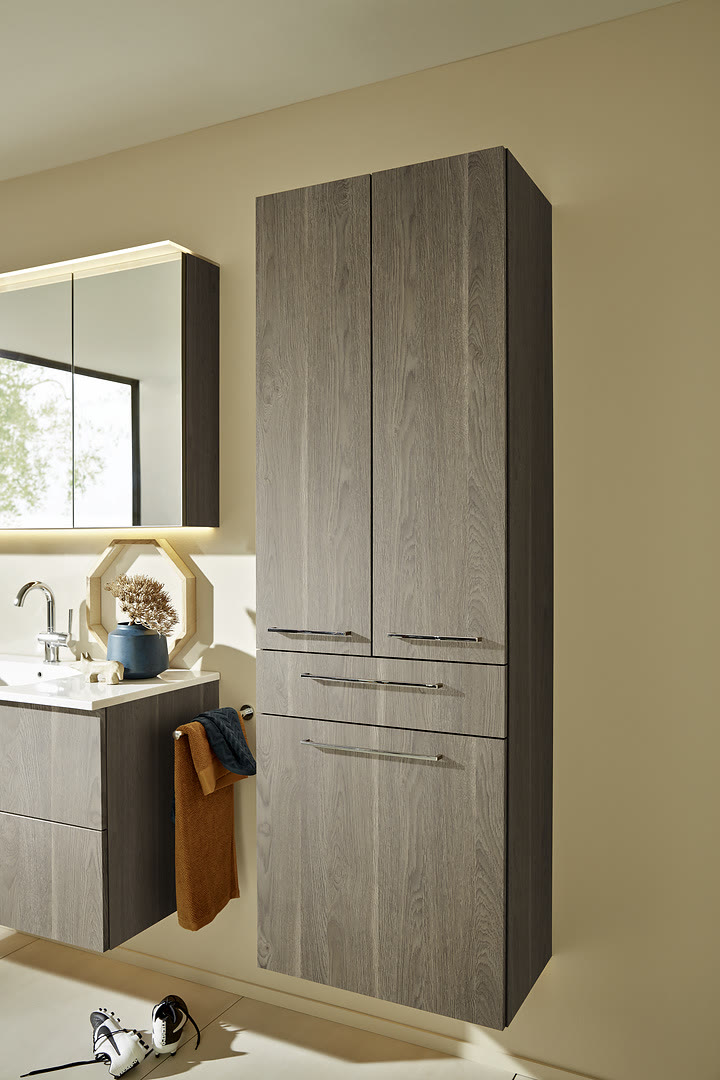
How do you choose the right one for your bathroom?
Start with the room, not the vanity. Look at your trim, your door casings, and your tile. A vanity that argues with the millwork it stands next to will always look wrong, no matter how nice it is on its own. If your house speaks a traditional language, classic or antique detailing agrees with it. If your house is somewhere in the middle, Italian classic tends to be the easiest peace treaty.
Then be honest about how the room gets used. A busy family bathroom is not the place for a fragile hand-glazed finish that shows every drip. A guest powder room can carry more ornament because it takes less abuse. And separate the style talk from the construction talk, every time. Ask what the box is made of, how the drawers run, and how the finish holds up to water, then choose the look on top of that. When we plan a bathroom design-build project, that order is the whole point: build quality first, style language second. Get those two in the right order and the label on the vanity stops mattering. What you end up with is a room that looks like it belongs in your house, which is the only test that counts.
Frequently Asked Questions
Is an antique vanity actually old furniture?
What is the difference between classic and Italian classic?
Do these styles cost more than a plain modern vanity?
Will a classic vanity look dated in ten years?
Can I mix a classic vanity with modern tile?
Keep Reading

Bathroom Vanity Buying Guide for Northern Virginia Homes
A plain guide to picking a bathroom vanity: size, wall-mounted vs floor-standing, storage that earns its space, and finishes that survive Virginia humidity.

White Bathroom Vanities: High-Gloss vs Matte Finish
High-gloss white reflects light and shows smudges; matte white hides them but reads softer. Here is how to choose between them.

Oak Bathroom Vanities: Light Oak vs Dark Oak in a Modern Bath
Light oak keeps a bathroom calm and larger. Dark oak adds weight and quiet drama. Here is how I help clients choose between them.
Ready to talk through your remodel?
Visit our showroom or request an estimate. We will walk you from first ideas to final installation.